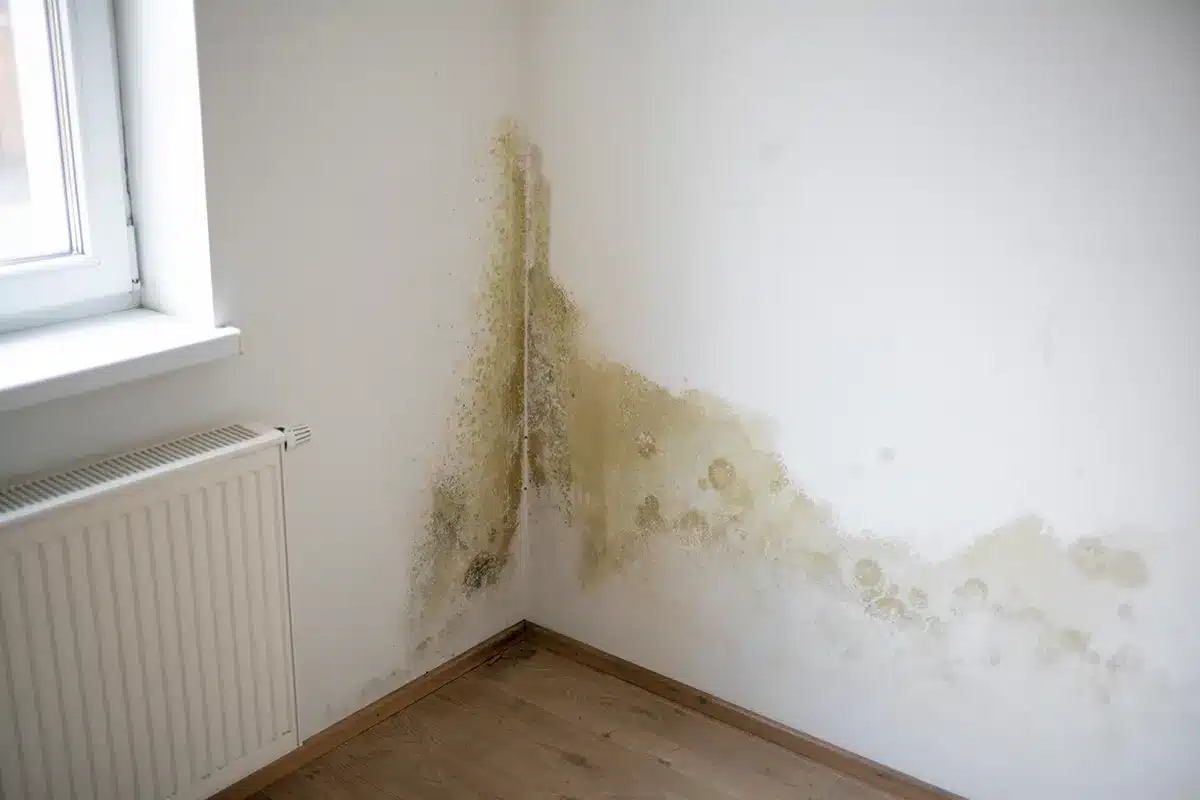






When drywall, also known as gypsum board, gets wet, it can be badly damaged. This damage can happen due to leaks, flooding, or high humidity. Wet drywall can become soft, change color, and even grow mold.
These problems not only make walls look bad but can also be harmful to your health. They can cause allergies and asthma. Knowing how to handle wet drywall is very important.
It’s key to understand how water affects drywall and how to dry it properly. This will help decide if it can be fixed or if it needs to be replaced.
Key Takeaways
- Exposure to water can significantly weaken drywall.
- Mold growth on wet drywall can start within 24-48 hours.
- Discoloration and softening are common signs of wet drywall damage.
- Prompt action is critical to prevent long-term damage.
- Understanding the extent of water exposure is key to deciding between repair and replacement in Raleigh.
Understanding the Impact of Water on Raleigh Drywall
Water can seriously harm drywall, making it weak and a place for mold to grow. Knowing how water damages drywall helps us fix and prevent problems.
How Water Damages Drywall
When drywall gets wet, it becomes weak and can break easily. This can cause it to swell, warp, and fall apart. Also, wet drywall is a perfect place for mold to grow, which can be harmful to our health.
Common Causes of Wet Drywall
There are many reasons why drywall gets wet. Heavy rain or flooding can bring too much water into Raleigh homes. Leaks from pipes or water coming through cracks and bad windows also cause problems.
Signs of Water Damage on Drywall
It’s important to know the signs of water damage on drywall. Look for yellowish-brown stains and swelling paint or wallpaper. If the drywall feels soft or spongy, it’s a big problem. To avoid damage, make sure your home is well-ventilated and check for problems often.
Is Raleigh drywall ruined once it gets wet?
Many Raleigh homeowners worry: can wet drywall be fixed? Knowing what to do right away and when to replace it is key. It helps keep your Raleigh home safe and sound.
Immediate Actions After Drywall Gets Wet
Act fast when you see wet drywall. Use tools that don’t let moisture in to check how wet it is. Pull out any wet insulation quickly to stop more damage.
These quick steps can help save your wet drywall.
Repairing vs. Replacing Wet Drywall
Deciding to fix or replace wet drywall depends on how wet it is and for how long. If it’s just a little wet, drying it and fixing small holes might work. But if it’s really soaked, you might need to replace it.
Replacing it is safer and stops mold from growing. Mold can be bad for your health.
Conclusion
Handling wet drywall needs quick action and the right steps in Raleigh. Using dehumidifiers and getting expert advice are key. They help figure out how bad the damage is and if repairs are needed.
Acting fast is important to dry and save wet drywall. This stops more damage and keeps the drywall lasting longer.
Preventing water damage is also important. Regular checks and maintenance can help a lot. This way, Raleigh homeowners can save money and keep their homes in good shape.
Spotting moisture damage early and acting quickly is also key. It helps keep the air inside homes clean and healthy.
In short, being aware, acting fast, and keeping up with maintenance are essential. They help protect Raleigh homes from water damage. This way, homeowners can keep their homes safe and comfortable.
Revive Your Space with Big Blue Restoration in Raleigh, NC
When water, fire, mold, or storm damage strikes, Big Blue Restoration is ready with rapid-response, expert cleanup and repairs. We deliver quality you can trust—24/7 availability. Contact us or book now here!