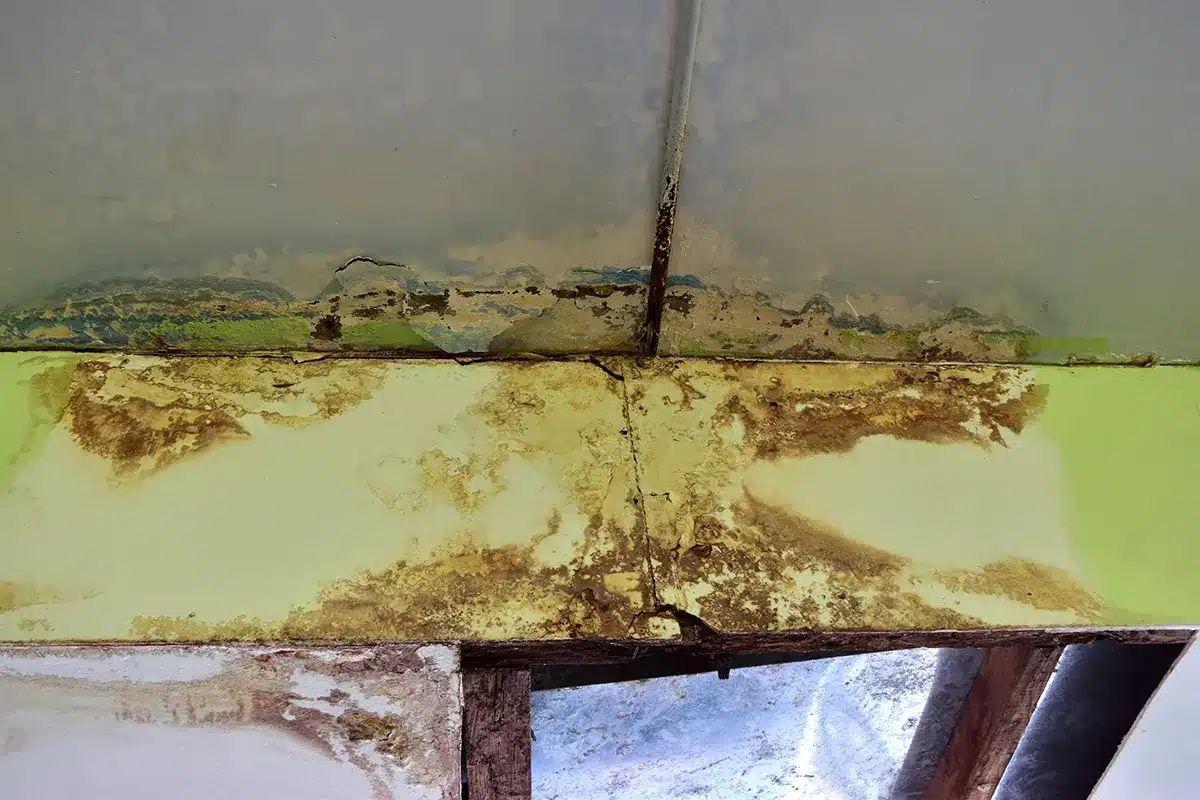






Mold in Heating, Ventilation, and Air Conditioning (HVAC) systems is a big problem. It can really hurt the air we breathe. The U.S. Environmental Protection Agency (EPA) says mold in HVAC can cause health issues. These range from mild allergies to serious breathing problems.
Mold in these systems makes the air we breathe worse. It’s a big health risk, mainly for people with breathing problems or weak immune systems.
Key Takeaways
- Mold in HVAC systems is a common issue affecting indoor air quality.
- Exposure to mold can lead to various health problems, including allergic reactions and respiratory issues.
- Individuals with pre-existing health conditions are more susceptible to the adverse effects of mold exposure.
- Regular maintenance of HVAC systems is key to stop mold growth.
- Improving indoor air quality can greatly lower health risks from mold.
Understanding HVAC Mold and Its Growth Factors in NC
It’s important to know what makes mold grow in HVAC systems. Mold needs warmth, moisture, and food to thrive. HVAC systems often have these conditions, making them a perfect place for mold to grow.
Warmth is a natural byproduct of HVAC systems, mainly when they’re in heating mode. Moisture can get into the system through condensation, leaks, or bad drainage. Mold gets its nutrients from dust, debris, and other organic stuff in the system.
Factors Contributing to Mold Growth in HVAC Systems
- High humidity levels within the system
- Presence of dust and debris
- Inadequate system maintenance
- Poor drainage and condensation issues
To stop mold from growing, we need to tackle these issues. Regular checks of HVAC systems for moisture are key. Keeping the air inside clean and preventing mold in HVAC systems can be done by fixing drainage, lowering humidity, and keeping the system clean.
By understanding and managing mold growth in HVAC systems, we can cut down mold spores. This improves the air quality inside and boosts our health.
Can Mold in HVAC Make You Sick in NC?
Mold in HVAC systems is a big health risk, mainly for those who are more vulnerable. Mold in these systems can release spores into the air. These spores then spread throughout the building.
Being exposed to mold can lead to various health problems. These range from mild allergic reactions to serious respiratory issues. People with asthma or chronic lung conditions are at a higher risk.
Respiratory Issues and Other Health Concerns
Mold exposure from HVAC systems can affect health in many ways. Respiratory problems like coughing, wheezing, and shortness of breath are common. Mold can also cause allergic reactions, such as skin irritation and allergic rhinitis.
- Coughing and wheezing due to respiratory irritation
- Skin irritation and allergic dermatitis
- Allergic rhinitis, characterized by nasal congestion and itchy eyes
Those with weakened immune systems, like those on chemotherapy or with HIV/AIDS, face greater health risks. Long-term exposure to mold can lead to serious health issues. These include neurological problems and infections in rare cases.
It’s important to know the symptoms of mold exposure from HVAC systems. If you think there’s mold in your HVAC, act quickly. This helps prevent further exposure and health problems.
Identifying and Addressing NC HVAC Mold Problems
Finding mold in HVAC systems is key to a healthy home. Mold can cause health problems, from mild allergies to serious breathing issues.
Signs of mold in NC HVAC systems include musty smells, visible mold, and more allergies. If you think there’s mold, act fast.
Steps for Mold Removal and Cleanup
Removing mold effectively requires a few steps:
- Turn off the HVAC system to stop mold spores from spreading.
- Wear protective gear like gloves, masks, and eye protection to avoid mold.
- Use EPA-registered disinfectants to kill mold and stop it from coming back.
- Clean and disinfect all affected areas, including ducts and vents.
It’s also vital to find and fix the reasons for mold, like too much moisture or poor upkeep. A thorough mold removal and cleanup plan ensures a safe home.
If you’re not sure how to check for mold or need help removing it, getting a professional is wise. Experts can do a detailed mold check for HVAC systems and guide you on how to remove mold.
It’s also important to know the signs of mold exposure from HVAC systems. These can include breathing problems, allergies, and other health issues. If you or your family is experiencing these symptoms, check if your HVAC system is the cause.
Preventing Future HVAC Mold Growth in NC
Stopping mold in HVAC systems is vital for clean air inside. Regular upkeep is essential. This means cleaning evaporator coils, checking for moisture, and making sure water drains right.
Dehumidifiers can help control humidity. This makes it harder for mold to grow. Also, good airflow in the system and the building helps prevent mold.
By using these methods, people can lower mold risks in their HVAC systems. This protects air quality and health. Good mold prevention makes HVAC systems work better and keeps the air healthier indoors.
Revive Your Space with Big Blue Restoration in Raleigh, NC
When water, fire, mold, or storm damage strikes, Big Blue Restoration is ready with rapid-response, expert cleanup and repairs. We deliver quality you can trust—24/7 availability. Contact us or book now here!